Clean, safe water is something most people don’t think about until something’s clearly wrong: a strange taste, spots on dishes, or a water quality report that raises concerns. But water quality varies significantly based on your location, source, and local infrastructure, which means what comes out of your tap may need more than you’d expect to be truly clean and healthy. Professional water treatment services address these issues directly, giving homeowners confidence in the water they drink, cook with, and bathe in every day.
Understanding Your Water Quality
Before recommending any specific solution, a thorough water quality testing process should identify exactly what’s present in your water supply. Common issues include:
- Hardness minerals like calcium and magnesium
- Iron and sulfur, which can cause staining and unpleasant odors
- Chlorine and other chemical treatment byproducts from municipal water
- Bacteria or contaminants, particularly relevant for well water sources
- Sediment and particulate matter affecting clarity and taste
Understanding your specific water composition is the foundation for choosing the right home water filtration systems or treatment approach, since no single solution addresses every possible water quality issue.
Water Softener Installation
Hard water is one of the most common household water issues, and water softener installation addresses it directly. Hard water caused by high concentrations of calcium and magnesium can lead to scale buildup in pipes and appliances, reduced soap and detergent effectiveness, and mineral deposits on fixtures and dishes over time. A water softener uses ion exchange to remove these minerals, resulting in noticeably softer water throughout the home.
Hard Water Treatment Solutions
Beyond standard softeners, various hard water treatment solutions exist depending on severity and household preferences, including salt-based softeners, salt-free conditioning systems, and magnetic or electronic descalers. Each approach offers different tradeoffs in terms of effectiveness, maintenance, and ongoing operating cost, making it worth discussing your specific water hardness levels with a professional before choosing a system.
Reverse Osmosis Water Systems
For households wanting the highest level of water purity, particularly for drinking and cooking water, a reverse osmosis water system forces water through a semi-permeable membrane that removes a wide range of contaminants, dissolved solids, and impurities. These systems are typically installed at point-of-use locations, like under the kitchen sink, providing exceptionally clean drinking water without treating the entire home’s water supply.
Whole House Water Filtration
Unlike point-of-use systems, whole house water filtration treats water as it enters your home, ensuring every tap, shower, and appliance receives filtered water. This approach is particularly valuable for addressing widespread issues like chlorine odor, sediment, or general water quality concerns that affect more than just drinking water; for example, chlorine exposure during showering or sediment affecting appliance longevity.
Under-Sink Water Filter Installation
For households primarily concerned with drinking and cooking water rather than whole-home treatment, under-sink water filter installation offers a more targeted, cost-effective solution. These systems typically install discreetly beneath the kitchen sink, providing filtered water through a dedicated faucet without the cost of treating water used for laundry, bathing, or other non-consumption purposes.
UV Water Purification Systems
For households concerned about bacteria or microbial contamination, particularly common with well water sources, a UV water purification system uses ultraviolet light to neutralize harmful microorganisms without adding chemicals to the water. This approach is often paired with other filtration methods to address both microbial safety and general water quality issues simultaneously.
Well Water Treatment Systems
Homes relying on well water face different considerations than those on municipal supply. Well water treatment systems often need to address a broader range of potential issues, since well water hasn’t gone through municipal treatment processes. Common concerns include bacteria, iron, sulfur, and mineral content that can vary significantly even between neighboring properties, making individual water testing especially important for well water households.
Iron and Sulfur Water Removal
Iron and sulfur water removal addresses two of the most common well water complaints: iron causing orange or brown staining on fixtures and laundry, and sulfur creating a distinctive, unpleasant “rotten egg” odor. Specialized filtration media designed for these specific minerals can effectively resolve both issues, restoring clear, odor-free water.
Chlorine and Chemical Water Treatment
Municipal water systems typically use chlorine and chemical water treatment methods to ensure water is safe from bacteria and pathogens during distribution. While effective for safety, chlorine can leave a noticeable taste and odor in tap water. Carbon filtration systems effectively remove chlorine and its byproducts, improving both taste and smell without compromising the water’s underlying safety.
Drinking Water Filtration Systems
A dedicated drinking water filtration system focuses specifically on the water used for consumption, whether through a countertop unit, under-sink installation, or refrigerator-integrated filter. These systems typically combine multiple filtration stages to address taste, odor, and specific contaminants relevant to your water source, providing consistently clean water for drinking and cooking.
Water Softener vs Filtration System: Understanding the Difference
It’s a common point of confusion, but water softener vs filtration system comparisons highlight an important distinction. A water softener specifically targets hardness minerals through ion exchange, while a filtration system addresses a broader range of contaminants, sediment, chemicals, or odors depending on the filter media used. Many households benefit from both a softener for hardness issues and a separate filtration system for taste, odor, and contaminant removal working together as part of a comprehensive water treatment approach.
Commercial Water Treatment Systems
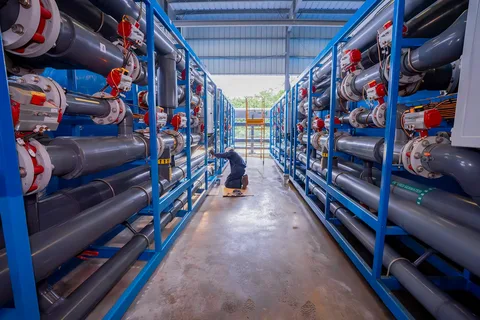
Commercial water treatment systems serve businesses with water quality needs beyond typical residential use: restaurants requiring consistent water quality for food preparation, manufacturing facilities with specific process water requirements, or office buildings wanting to provide employees with clean, filtered drinking water. These systems are typically scaled significantly larger than residential setups and may involve more complex, multi-stage treatment processes tailored to specific commercial requirements.
Water Treatment System Cost
Water treatment system cost depends on several factors:
- Type of system selected (softener, reverse osmosis, whole house filtration, or a combination)
- Household size and water usage, which affect system capacity requirements
- Specific water quality issues identified through testing
- Whether installation is point-of-use or whole-house
- Ongoing maintenance and filter replacement costs
A trustworthy water treatment company near me will conduct water testing first and recommend a system based on your specific needs, rather than a one-size-fits-all solution that may not address your actual water quality issues.
Water Treatment Maintenance
Like any home system, water treatment maintenance matters for continued effectiveness. This typically includes periodic filter replacement, salt refills for softeners using that method, and occasional system inspections to ensure everything is functioning as intended. Neglecting maintenance can lead to reduced treatment effectiveness or, in some cases, water quality that’s worse than if no system were installed at all, since old filters can harbor bacterial growth.
Choosing the Right Water Treatment Company
When searching for water purification services, look for:
- Comprehensive water testing as the starting point for any recommendation
- Experience with your specific water source (municipal or well)
- Transparent explanation of what each recommended system addresses and why
- Clear information about ongoing maintenance requirements and costs
- Positive reviews mentioning honest assessments rather than unnecessary upselling
Final Thoughts
Clean, quality water affects far more of daily life than most people realize, from the taste of your morning coffee to the longevity of your home’s plumbing and appliances. Whether you’re dealing with hard water, well water concerns, or simply want better-tasting drinking water, professional residential water treatment solutions can be tailored specifically to your household’s needs once your water quality is properly tested and understood. If you’re ready to improve your home’s water quality, reach out to a trusted local water treatment company today for testing and a personalized recommendation.
Frequently Asked Questions
How do I know what type of water treatment system I need? The best starting point is professional water quality testing, which identifies the specific issues present in your water supply and helps determine the most appropriate treatment solution.
What’s the difference between a water softener and a whole house filtration system? A water softener specifically targets hardness minerals like calcium and magnesium, while a whole house filtration system addresses a broader range of issues like chlorine, sediment, and odor. Many households use both together.
Is well water automatically unsafe without treatment? Not necessarily, but well water hasn’t gone through municipal treatment processes, so regular testing is important to identify any bacteria, mineral content, or other issues specific to your well.
How often does a water treatment system need maintenance? This varies by system type, but most require periodic filter replacement and occasional inspection. Softeners using salt typically need refills every few weeks to a few months depending on household water usage.
Can a reverse osmosis system remove all contaminants from my water? Reverse osmosis systems remove a wide range of contaminants and dissolved solids, though no single system addresses every possible water quality issue, which is why testing helps determine if additional treatment methods are needed alongside it.