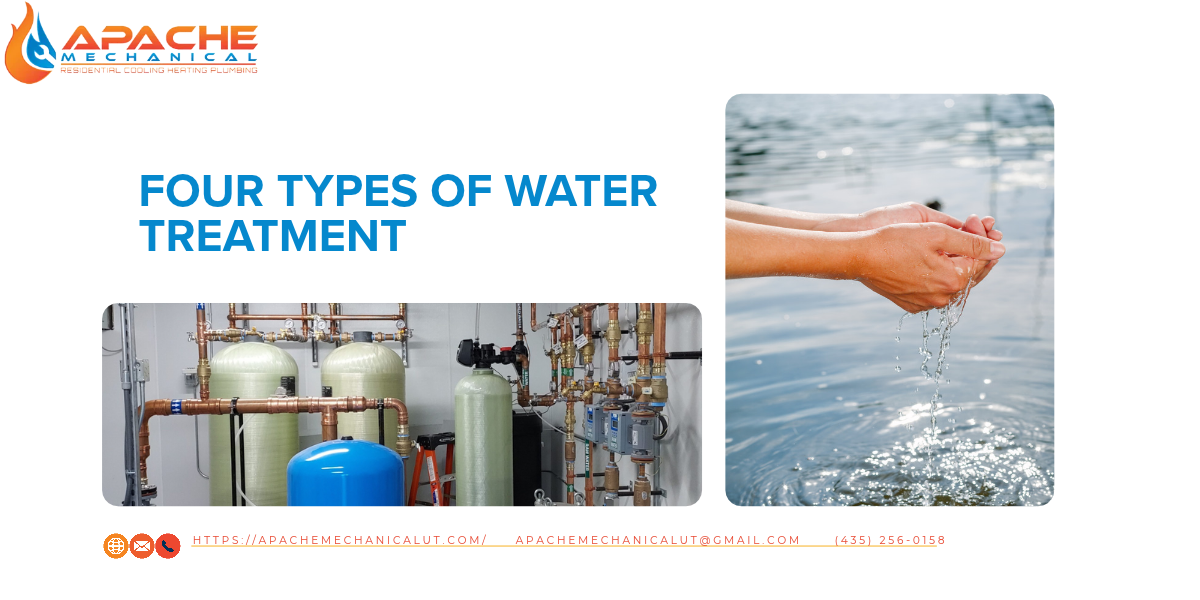
What are the four types of water treatment?
Whether it’s drinking water or agricultural water, it is usually treated before being used. This is because the water is full of contaminants such as chemicals and bacteria. There are four main types of water treatment methods that are used to address these impurities. Reverse osmosis clears the water by filtering it through a membrane, while UV purification blasts the water with intense light to kill harmful germs. For curious readers wanting more detail, the following article goes over the four most common water purification methods out there.
Sediment Filtration: Catching Dirt & Debris
We’ve seen rivers and lakes. But no one usually hauls a bucket out of them to drink directly. This is because there are tiny solid particles in the water that have to be filtered out first. This is where the sediment filtration system comes in. It’s a net that funnels all the bigger particles in the liquid before it can be treated further. This quarter of the blog is dedicated to it.
- How It Works
This is an essential pre-filtration treatment. This water treatment system uses surface and depth filters so that water passes through while any debris that it’s carrying is left behind. The pores get smaller as it progresses for the best results.
- What It Targets
The main job of this water purification system is to remove physical contaminants in naturally sourced water from wells, lakes, ravines, and so on. The things it removes include:
- Clay & silt that make the water cloudy.
- Corroded metal present in old pipes.
- Sand & dirt from groundwater, construction, and seepage.
- Pipe scales, algae, and plant matter.
Reverse Osmosis: From Municipal Water To Healthy Hydration
Not all tap water can be gulped down when you’re thirsty. This is why many homes have a reverse osmosis treatment set up. Its job is to clear about 99% of impurities from the water, leaving behind a clean and clear liquid that provides safe hydration. This section explores this residential water treatment in more detail.
- How It Works
Water naturally flows through a semi-permeable membrane—going from low concentration to high concentration. Pressure is applied to push the water back through the membrane toward the low concentration area. This action filters all the impurities.
- What It Targets
Now the semi-permeable membrane is designed to target a number of impurities present in the municipal water source. And once everything is filtered, the water is completely clear to consume. It targets:
- 96-99% of dissolved solids and minerals.
- Nitrates, forever chemicals, and fluorites.
- Cadmium, mercury, arsenic, and lead.
Activated Carbon Filtration: Targeting Chemicals & Smells
The third one we have for you is activated carbon. This is a silent filtration method that uses carbon from cocoanut shells and coal. Its main purpose is to trap gases so that the water left behind tastes good and smells like nothing. This part of the article explores more about this water treatment system.
- How It Works
Unlike other water treatment systems, this one relies on high temperatures to activate the carbon. Basically, the heat opens up hundreds of tiny pores in the particles. The gases and chemicals are adsorbed, and the water is purified.
- What It Targets
The next thing you might be wondering about is what it’s used for. Activated carbon filtration is set in place to tackle things like trace industrial chemicals and pesticides. Further details include:
- It filters out pesticides, herbicides, and VOCs.
- It makes the water more pleasant to consume.
- Eliminates PFAs, industrial solvents, and trace medicines.
The Power Of Light: UV Disinfectant Systems
This one only comes along after other water purification methods have already removed the bigger chunks from the water. The liquid enters a chamber and is treated by a 254 nm UVC light. This light destroys the pathogen at the DNA level. This section expands on the details about the treatment.
- How It Works
Pre-filtered water enters a stainless steel chamber with a germicidal UV lamp. The lamp targets every minute inch of the germs and disrupts their DNA and RNA. This leaves them incapable of reproducing, and the water is now safe.
- What It Targets
Now this water treatment is specifically used to target organic pathogens inside the water that can cause diseases when consumed. So, when the water is exposed to the UV light, it is cleared of:
- Tiny bacteria like E. coli and coliform bacteria.
- Several viruses that can cause gastrointestinal issues.
- Parasites such as Giardia and Cryptosporidium.
Conclusion
There are four main types of water treatment systems, each designed to target different forms of pollutants. A sediment filter takes care of the physical debris before the rest of the treatments, while an activated carbon filter targets foul tastes and smells. A UV treatment is responsible for killing viruses and bacteria in the water. We hope this article was insightful. For more queries, please reach out.
FAQs
What is the most costly water treatment system?
Multi-stage well water packages are the most expensive.
How long does a sediment filtration system last?
The entire system can last 10-15 years with proper maintenance.
What water treatment system has the highest ROI?
An under-sink reverse osmosis system has the highest ROI.